Couples ask me about assigned seating vs open seating wedding setups more than almost any other planning question, usually a few weeks out when panic sets in. I've photographed both kinds of receptions all over Cleveland, from backyard parties to ballroom weddings with two hundred guests, and the honest answer is that guest count matters more than tradition or trend.
The Short Answer Before You Keep Reading
If you're hosting fewer than about fifty guests, open seating usually works fine and saves you hours of planning time. Past that number, assigned tables stop being a formality and start being the thing that keeps your reception running smoothly. This isn't a hard rule, it's a pattern I've watched play out at enough weddings to trust it.
Why Fifty Is the Number That Keeps Showing Up
Under fifty guests, people mostly know each other, or they're willing to sit wherever and figure it out. I've shot plenty of intimate receptions where guests wandered in, found a seat near friends, and nobody blinked. The room is small enough that there's no real risk of awkward gaps or overcrowded tables.
Once you cross fifty, you start mixing groups who don't know each other well. College friends, coworkers, extended family who've met twice. Without some guidance, people cluster with who they already know, tables end up lopsided, and your catering staff has a harder time serving efficiently. I see this happen almost every time a couple skips the chart at a bigger reception.
When Open Seating Actually Works Well
Open seating isn't just a shortcut for stressed couples, it genuinely suits certain receptions. Backyard weddings, brunch receptions, anything under fifty guests where the vibe is casual. It also works when your reception has a lot of standing and mingling built in, like a cocktail-style event with high tops instead of full rounds.
- Guest count under fifty, especially if most people already know each other
- Casual or outdoor venues where the whole event has a relaxed feel
- Cocktail-style receptions with lounge seating instead of assigned tables
- Family style or buffet service where guests move around naturally anyway
Where Assigned Tables Earn Their Keep
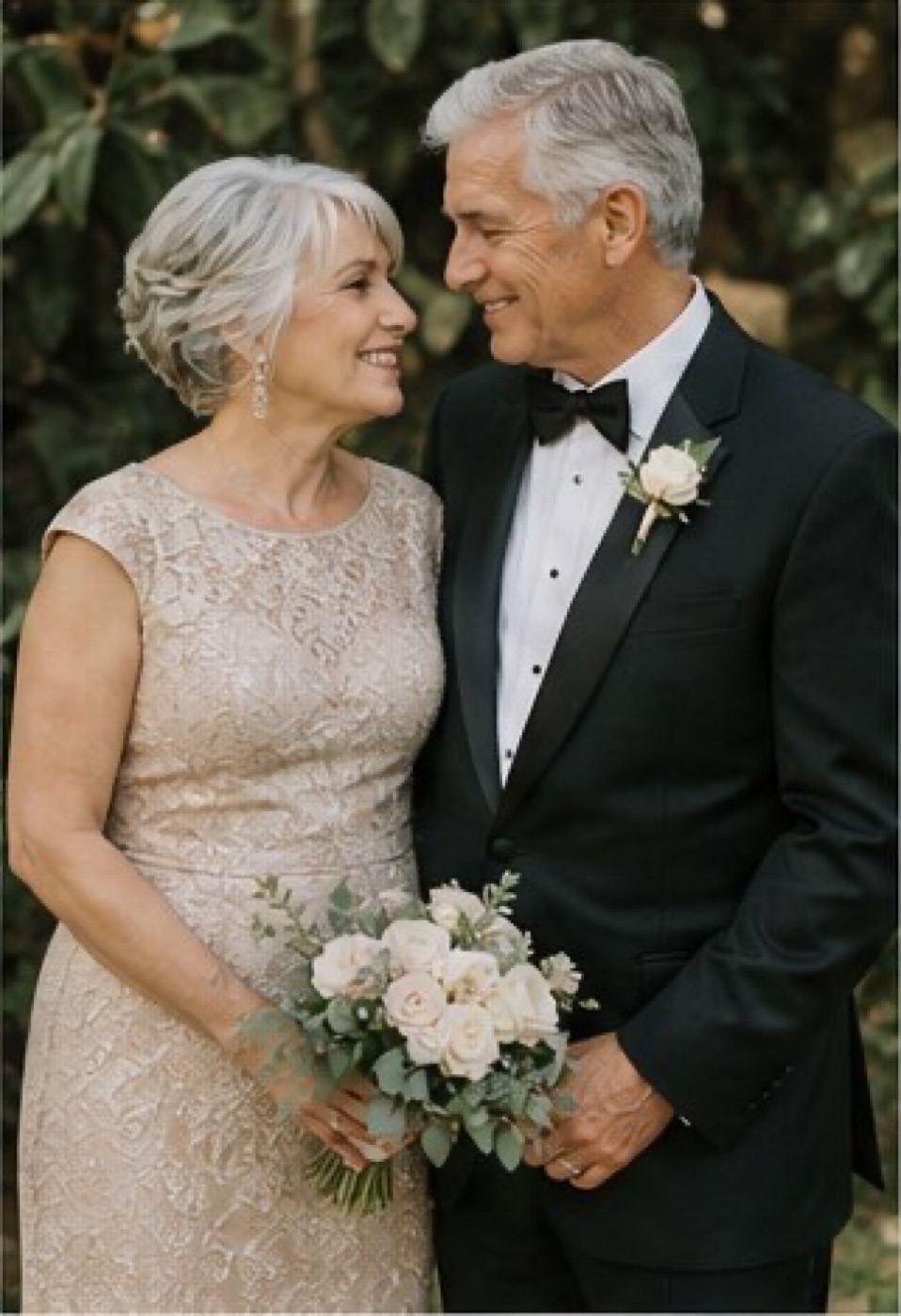
Past fifty guests, a seating chart solves real problems. It keeps divorced parents at separate tables if that's needed, it seats your grandparents somewhere they can actually hear, and it makes sure your college roommates aren't scattered across the room talking to strangers. I've watched couples skip this step at larger weddings and then spend the first twenty minutes of dinner redirecting confused guests, which is twenty minutes your catering team is trying to serve food.
It also matters for timing. Venues with a set dinner service need guests seated and settled so the kitchen can work efficiently. A confused crowd wandering the room looking for seats eats into the time I'd rather be using for candid reception photos.
The bigger the guest list, the more a seating chart is doing real work, not just looking organized on paper.
The Family Dynamics Nobody Talks About
This is the part that actually convinces most couples. If you've got any family tension, step-parents, a complicated divorce, relatives who don't get along, assigned seating lets you control it quietly instead of hoping it sorts itself out in real time. I always recommend couples work through this at the same time they're building their family photo list, since it's usually the same people and the same sensitivities showing up in both plans.
Large Bridal Parties Change the Math Too
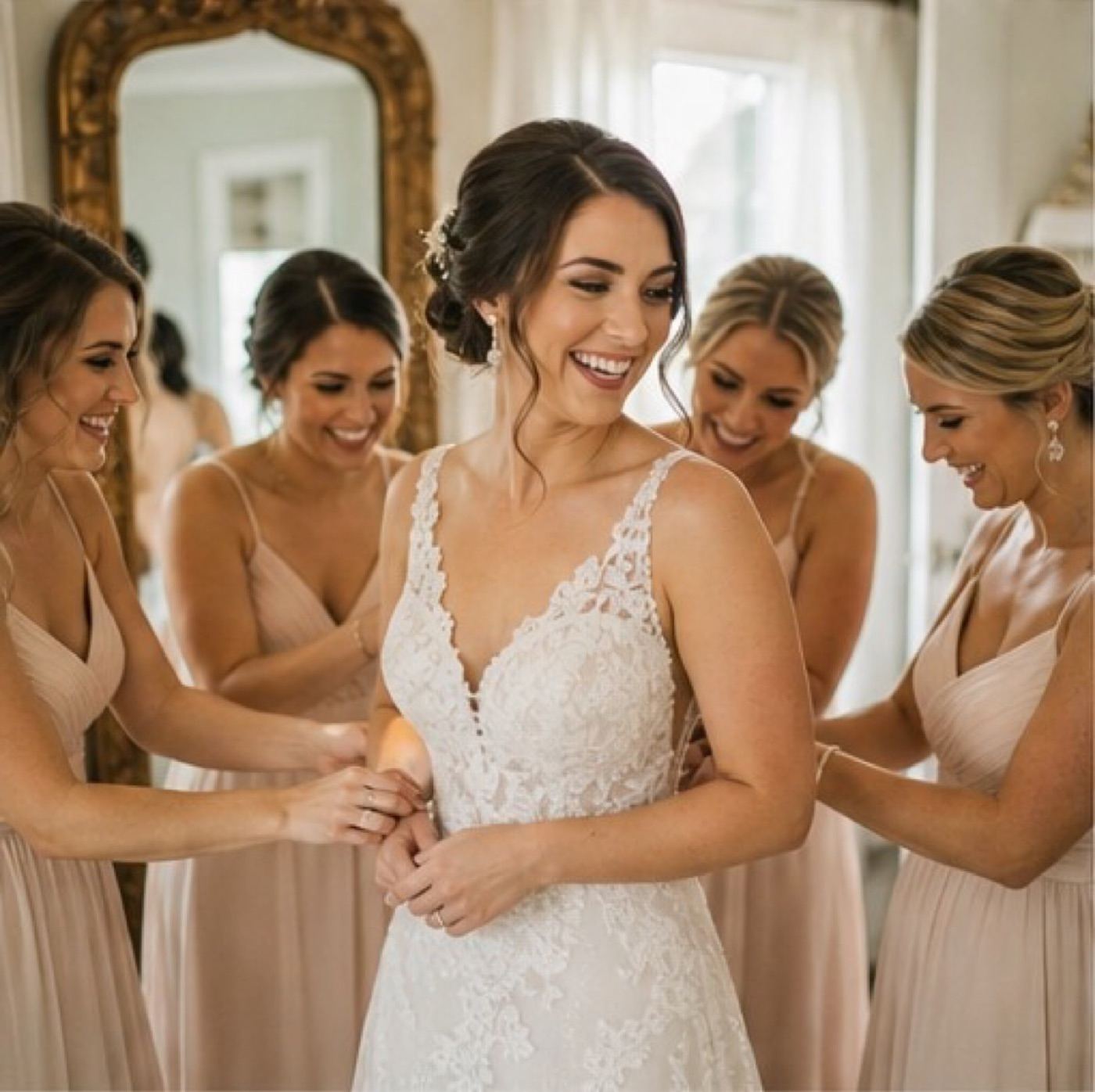
If you've got a big wedding party, seating affects more than just your guests. Where your bridal party sits, how fast they can get up for toasts, whether they're close to the dance floor for photos, all of it works better with a plan. I cover a lot of this logistics piece in my guide to photographing large bridal parties, and seating charts come up constantly in those conversations because a disorganized head table slows down every transition in the night.
- Seat your wedding party close to the dance floor so toasts and first dances flow without a long walk [
A Simple System If You Go Assigned
You don't need anything fancy. A printed seating chart at the entrance, place cards on the tables, and a quick heads up to your venue coordinator about any sensitive pairings. Most Cleveland venues I work with are used to this and can tell you what's worked well for other couples their size, so ask them directly rather than guessing.
- Build your chart two to three weeks out once RSVPs settle
- Confirm table counts and capacity with your venue, every room is a little different
- Give your coordinator or planner a final copy the week of the wedding
- Keep one printed backup for the day in case anyone asks where they're sitting
My Honest Take After Shooting Both
I don't have a strong opinion about which one is more elegant, because that's not really the question. The question is what serves your guest count and your family situation. Small and casual, let people sit where they want. Fifty or more, especially with any family complexity, build the chart. It's a few hours of planning that saves you a chaotic first twenty minutes of your own reception.
If you're still working through your full reception timeline, that's a conversation worth having early. You can see examples of how this plays out across different venue sizes on my weddings page, and if you want to talk through pricing and what's included, my investment page breaks that down clearly. Feel free to get in touch if you want to talk through your specific guest list.
Details are general and drawn from public information as of 2026. Confirm current specifics with the venue directly.