If you're staring at a guest list that's bigger than your venue or your budget can hold, you're not a bad person, you're planning a real wedding in the real world. Wedding B-list guest etiquette isn't about loving some people less, it's about handling timing, wording, and your own nerves well when the RSVPs start trickling in. I've photographed enough Cleveland weddings to notice that the couples who handle this gracefully all do one thing the same way, they send the B-list early.
What a B-List Actually Is and Why It's Not Rude
A B-list is simply a second round of invitations you send once your early regrets start coming in, before the deadline for a final headcount. It exists because every couple's A-list is bigger than their venue can hold, or bigger than the budget allows per plate, and almost nobody RSVPs yes at 100 percent. Having a B-list isn't a character flaw. It's just math.
The etiquette problem only shows up when couples wait too long to send it, so the invite shows up two weeks before the wedding looking exactly like what it is, a seat someone else gave up. Handled right, nobody on your B-list ever has to know they weren't first.

The Timeline That Makes It Work Eight Weeks or More
Here's the actual rule I see work over and over: send your B-list invitations roughly eight or more weeks before the wedding, not four, not six. At eight-plus weeks, a B-list invite looks exactly like a normal invite someone gets a little later. Guests don't sit there doing math on when yours arrived versus their cousin's.
Set your A-list RSVP deadline early enough that you have breathing room. If your wedding is in June, your A-list invitations should go out by late winter, with an RSVP date in early spring, so you can turn around and get B-list invites out well before that eight-week mark. The tighter you cut it, the more obvious it becomes.
- Set your true invite date, then count backward 8-plus weeks for any B-list round
- Give A-list guests a firm RSVP deadline, not a soft suggestion
- Track regrets daily once invites go out so you're not scrambling at the last minute
- Confirm your venue's final guest count deadline directly with your coordinator, every venue differs
Building Your Lists Without the Guilt Spiral
Most couples don't actually have an A-list and a B-list, they have one long list they're afraid to rank. Do it anyway. Sort guests into tiers based on how long you've known them, whether they've met your partner, and whether your parents or future in-laws have a real stake in them being there.
I'd rather see couples spend their energy on the people and moments that actually make the day feel like theirs, the kind of detail I talk through in this piece on what matters beyond the standard shot list, than lose a week agonizing over tier placement for a coworker they've met twice.
- Tier one: immediate family, wedding party, your closest circle, people who'd be invited no matter what
- Tier two: extended family, close friends from different chapters of life, work friends who've become real friends
- Tier three: plus-ones you haven't met, distant relatives, coworkers invited out of fairness, your B-list pool

Wording the Invitation So Nobody Feels Like a Backup
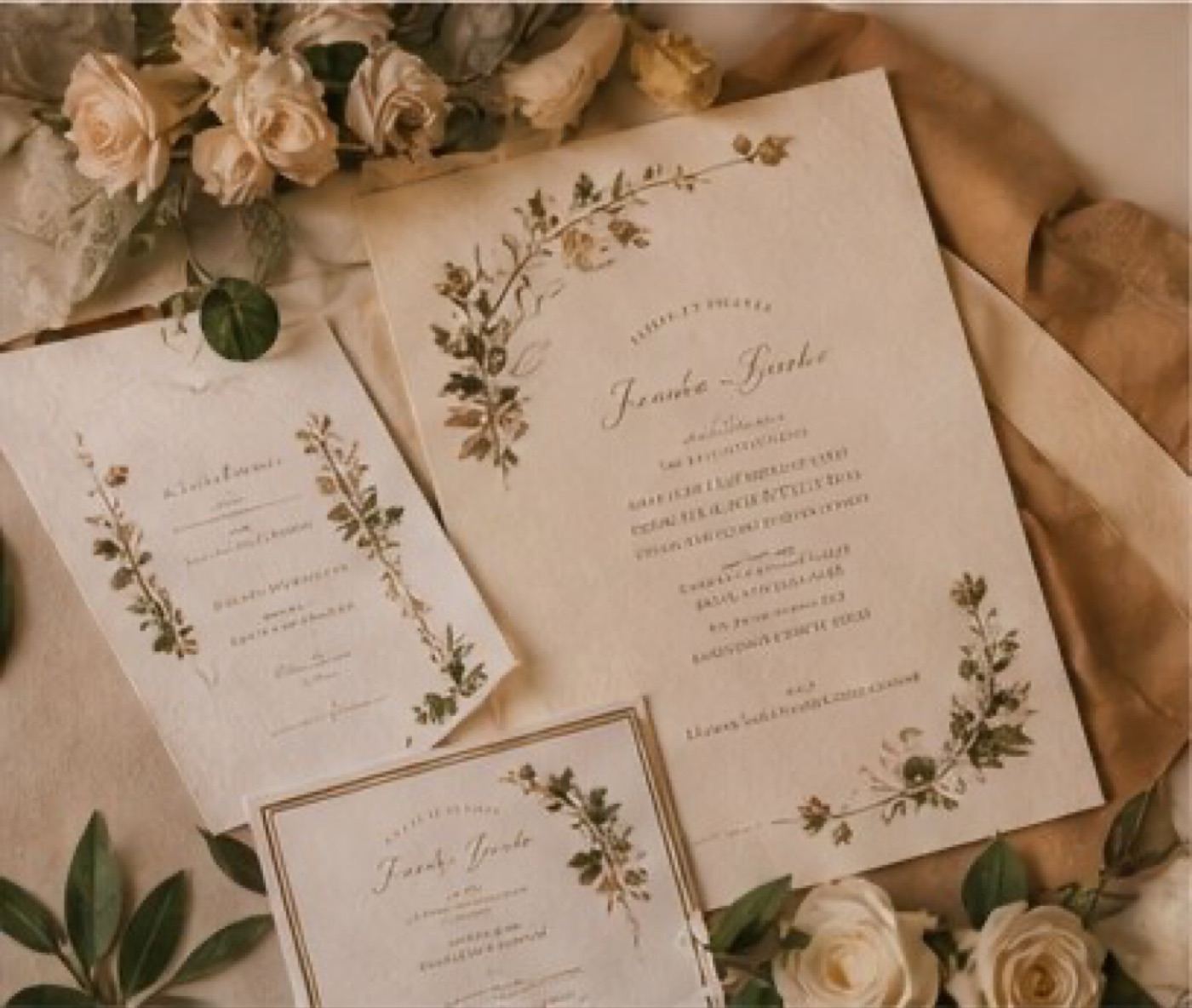
Here's the good news: a B-list invitation uses the exact same wording as everyone else's. There is no version of the invite that says anything different. Same card, same font, same RSVP card. The only thing that changes is the mail date, and guests have no way to compare that against anyone else's.
Where couples slip up is in conversation, not on paper. Don't tell people "we were waiting to see if we had room." If someone asks why their invite came a bit later, a simple "we're finalizing details with our venue" covers it completely and is true.
When Regrets Come In Managing the Flow Without Panic
Once your A-list RSVPs start arriving, keep a running spreadsheet, not a mental tally. Every regret opens a seat, and every seat should move a name off your B-list that same week, not the week before the wedding when it's too late to matter.
This is also the moment to loop in your planner or coordinator, since they'll need an accurate count for seating charts and catering. If you're also finalizing who's in your formal portraits, this is a good time to revisit how to build a family photo list that doesn't run long, since guest count changes often shift that list too.
- Log regrets the day they arrive, don't batch them for later
- Send B-list invites in small waves as seats open, not all at once at the deadline
- Update your caterer and venue coordinator on count changes as they happen, not in one big update
What I See From Behind the Camera The Photographer's View
I've shot weddings where you genuinely cannot tell who was invited in October versus who got their invite in January. The room feels full, warm, and intentional, because the couple handled it with a little bit of forethought instead of panic. That's the whole goal.
I've also shot the other version, where someone mentions offhand that they "got the call" a month out, and it changes how they hold themselves in photos that day. Guests who feel like an afterthought tend to hang back from the dance floor and skip the toasts. You can genuinely see it.
Nobody can tell when your invitations went out. They can only tell how they felt opening them.
Common Mistakes That Give the B-List Away
Most of the etiquette breakdowns I hear about come down to timing or talk, not the list itself. A few patterns show up again and again at Cleveland weddings I've worked.
- Sending B-list invites less than six weeks out, which reads as last-minute no matter how it's worded
- Telling guests directly that they were a backup invite, even as a joke
- Using different invitation stock or wording for the second round
- Waiting until the final week to finalize headcount with your venue, which rushes every other decision after it
Details are general and drawn from public information as of 2026. Confirm current specifics with the venue directly.